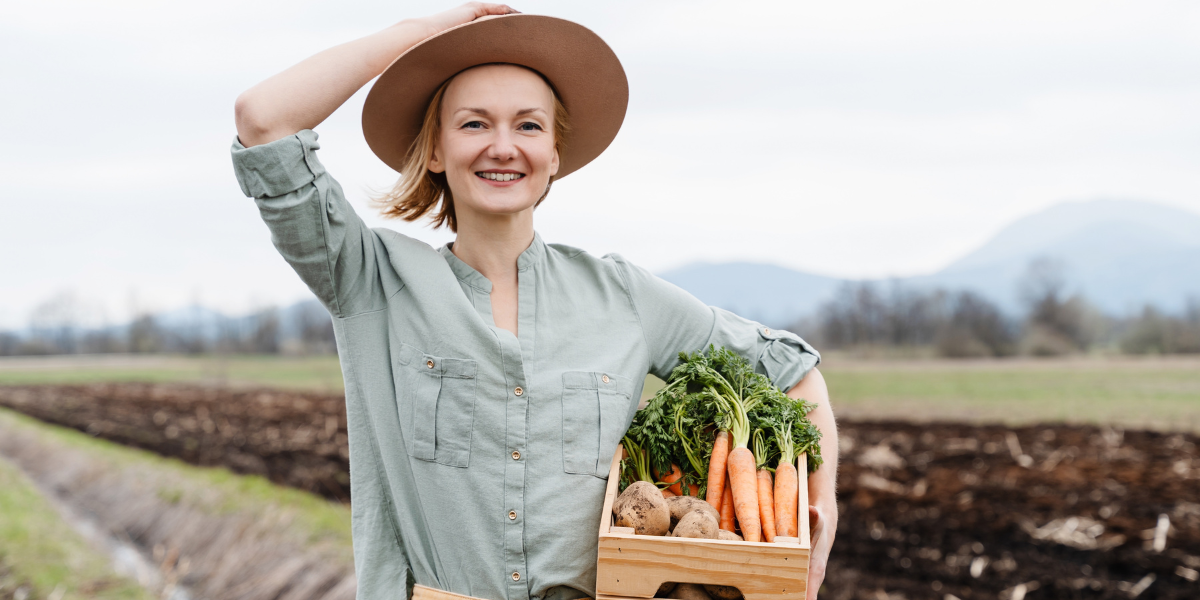

People often tell me they're frightened to start growing vegetables because they think they'll kill everything. I understand the feeling, there's something about the responsibility of a living thing that makes you nervous. But the truth is, most vegetables want to grow. They've been doing it without our help for millions of years. All we do is point them in the right direction.
These ten are the ones worth starting with. They're all relatively unfussy, they recover from neglect, and they give you enough back to keep you motivated.
The easy ten
1. Courgettes. Plant one or two seeds in a pot in May, plant out in June, and then try to keep up with the harvest. Courgettes are almost embarrassingly generous. Water them regularly and they'll barely need looking at.
2. Runner beans. Sow directly into the soil from late May, give them something to climb, and they'll reward you with beans from July through to the first frost. Kids love picking them.
3. Radishes. The fastest vegetable in the garden. Sow in spring, harvest in three to four weeks. If you want to feel like a gardener in a hurry, radishes are your answer.
4. Salad leaves. A bag of mixed salad seed scattered in a container by a door will give you cut-and-come-again leaves for months. Water every day or two and you'll barely need to buy salad from May to October.
5. Peas. Sweet, straight from the pod, and something children will eat straight from the plant without being asked. Sow in spring, give them some sticks or netting to climb, and harvest when the pods feel fat and full.
6. French beans. Quicker than runner beans, no staking needed for the dwarf varieties. Direct sow in late May, water well, and harvest regularly to keep them producing.
7. Onions from sets. Push onion sets into the soil in March or April, leave them alone, and pull them up in July. Store them somewhere cool and dry and they'll last you months.
8. Chard. Cut the outer leaves and it keeps producing all season. Hardier than spinach, tolerant of partial shade, and the bright-stemmed varieties look beautiful in a border or a pot.
9. Potatoes. There's something magical about pushing a single chitted potato into the ground and digging up a whole cluster weeks later. Try a first early variety like Rocket if you want results fast, they're ready in June.
10. Kale. Sow in late spring, transplant in summer, and it'll give you leaves all the way through winter. Hard frosts actually improve the flavour. It's hard to think of a more reliable winter vegetable for a UK garden.
A few things that help all of them
A couple of principles apply across all these crops. First, water consistently, irregular watering causes more problems than under-watering by a small amount. Second, feed the soil rather than the plant. A good compost mulch in spring sets everything up for the season. And third, harvest often. The more you pick, the more most plants produce. It's one of the best feedback loops in gardening.
Once you've got a couple of these under your belt, you'll start to understand your plot's rhythm. That's when gardening stops feeling like a chore and starts feeling like something you look forward to.