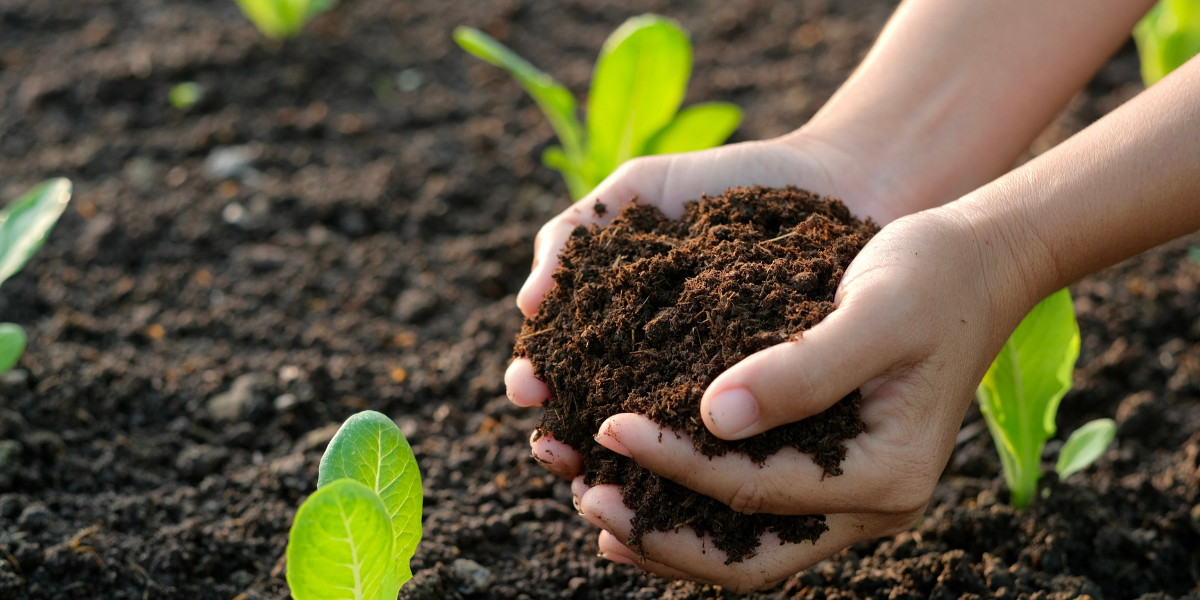

Composting is one of those habits that genuinely changes the way you garden. It costs nothing, it transforms your soil, and it turns food and garden waste into something genuinely valuable. The principle is simple: you're creating the right conditions for microbes, fungi, and worms to break down organic matter into humus, dark, crumbly, nutrient-rich material that improves soil structure, feeds plants slowly and steadily, and holds moisture through dry spells.
What you need to get started
You need a container, a purpose-built plastic bin from the council (many offer them subsidised), a wooden pallet frame, a simple wire enclosure, or just a corner of the garden behind a board. What matters most is that the heap can retain some warmth, breathe a little, and be turned occasionally.
The ideal heap is at least one metre cubed. Smaller heaps don't generate enough internal heat to break down quickly. If you've only got a small garden or a flat, look at bokashi bins (which ferment kitchen waste before it goes into the soil) or a hot composter designed for compact spaces.
The green and brown balance
Successful composting comes down to getting the balance right between two types of material:
- Greens (nitrogen-rich): vegetable peelings, fruit scraps, grass clippings, coffee grounds, tea bags, fresh plant trimmings, chicken manure.
- Browns (carbon-rich): cardboard (torn up), dry leaves, straw, newspaper, woody prunings (shredded), egg boxes.
Roughly equal parts by volume is a good starting point. Too many greens and the heap becomes slimy and smells. Too many browns and decomposition slows to almost nothing. If things aren't breaking down, add more greens. If things are wet and smelly, add more browns and turn the heap to introduce air.
What to add, and what not to
Add freely: vegetable and fruit scraps, eggshells, tea bags (check they're plastic-free), coffee grounds, grass clippings, annual weeds (not seeded), cardboard, paper, leaves, and plant trimmings. Add in moderation: cooked vegetable scraps, bread. Avoid entirely: meat, fish, dairy, cooked food with fat, dog or cat waste, perennial weeds like couch grass or bindweed, and anything diseased.
Keeping it working
Turning the heap every few weeks, mixing the outer edges into the centre, speeds things up considerably. The centre of an active heap can reach 60°C, which is hot enough to kill many weed seeds and pathogens. Turning brings the cooler outside material into the heat.
Keep the heap moist but not waterlogged. In a dry summer, water it occasionally. In a wet winter, cover it with an old piece of carpet or cardboard to stop it becoming saturated.
Under reasonable conditions, a well-managed heap produces usable compost in three to six months. A slower, colder heap might take a year. You'll know it's ready when it smells earthy rather than like rotting food, and you can no longer identify individual ingredients.
Using your compost
Spread finished compost on your beds in autumn as a mulch, dig it in as a soil conditioner in spring, use it to enrich potting mix, or apply it as a surface mulch around established plants at any time. Even partially composted material dug into the soil in autumn will break down over winter and improve your soil by spring.
It's one of those things that once you start, you can't imagine not doing. The idea of throwing away a vegetable peel feels like waste once you understand what it can become.