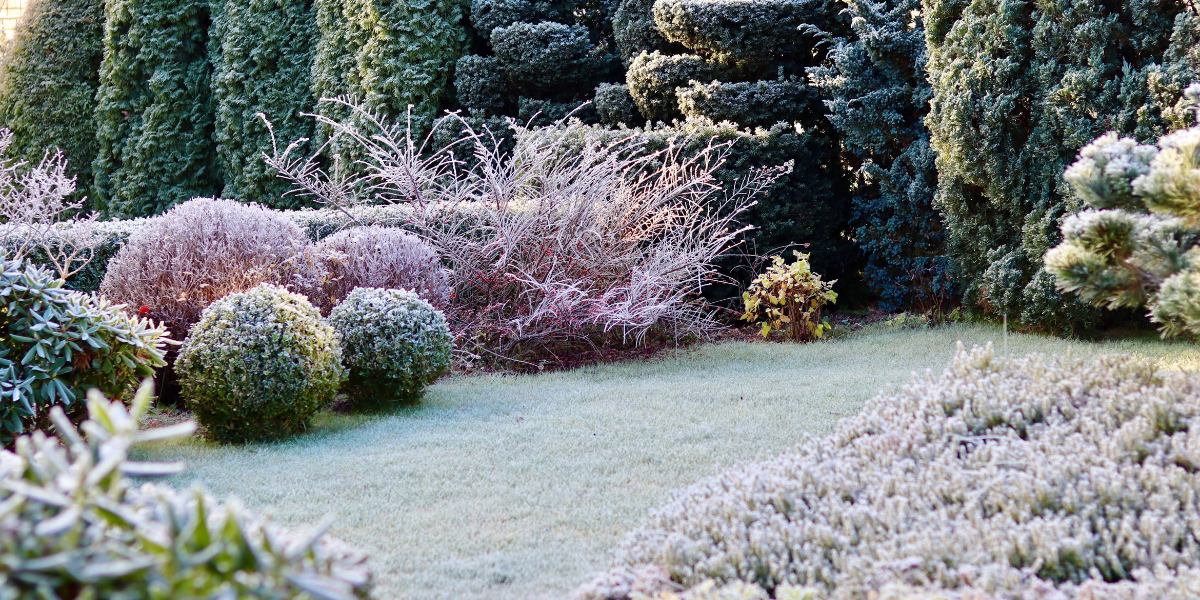

The biggest mistake most gardeners make isn't something they do, it's something they don't do. They clear up in October, put their tools away, and don't come back until March. Then they wonder why the growing season feels so short.
The gardeners I admire most treat winter as a different season, not an absent one. Their plots still have food in the ground in January. Their greenhouses still smell of earth and growth in February. It takes a bit of forward planning, but once you're in the habit, you'll never want to leave the garden standing empty again.
The crops that actually like winter
Several vegetables actively prefer cool conditions or tolerate hard frosts without complaint. These are your winter workhorses:
- Kale: tough as old boots. Leave it in the ground, pick leaves as needed. Frost improves the flavour by converting starches to sugar.
- Brussels sprouts: a long-term commitment (sown in spring for winter harvest) but extraordinary eaten fresh from the garden.
- Winter cabbages: varieties like January King are bred for exactly this time of year.
- Leeks: stand in the ground all winter and can be pulled as needed.
- Parsnips and celeriac: both improve after a frost. Leave them in the ground and harvest through winter.
- Spinach and chard: young plants sown in late summer will slow down but keep producing through mild spells.
- Overwintering onions and garlic: planted in autumn, harvested next summer. They need to be in the ground by November.
Cold frames and cloches, cheap season extenders
A cold frame is simply a box with a transparent lid, glass or polycarbonate, that traps warmth and keeps the worst of the frost off. They're relatively inexpensive to buy or easy to make from old window frames and reclaimed timber. A cold frame can protect salad crops, spinach, and overwintering herbs well into December and restart them a month earlier in spring.
Cloches, individual covers over plants, serve a similar purpose for individual rows or plants. Even a layer of fleece over a bed on frosty nights can keep plants that would otherwise die ticking over comfortably.
Using the quiet season well
Winter is also the time to do the slow jobs that make the rest of the year easier. Dig in compost or well-rotted manure in November or December, and let the frosts break down heavy clay over winter. Clear beds of annual weeds before they set seed. Service your tools, clean, sharpen, oil, so they're ready for spring. Plan what you're growing next year and order seeds before the popular varieties sell out (they often do by February).
Planning backwards from the harvest
The key to year-round productivity is planning in advance. For a continuous winter harvest, you need to be sowing and planting in late summer, August and September, which feels counterintuitive when the summer season is in full swing. But the gardeners who eat from their plots in January are the ones who thought ahead in August.
Read about succession planting to understand how planning small, timed sowings keeps you in produce all year rather than feast-or-famine in summer.
Winter doesn't have to be a gap. It just requires a different rhythm, slower, quieter, but still very much alive.