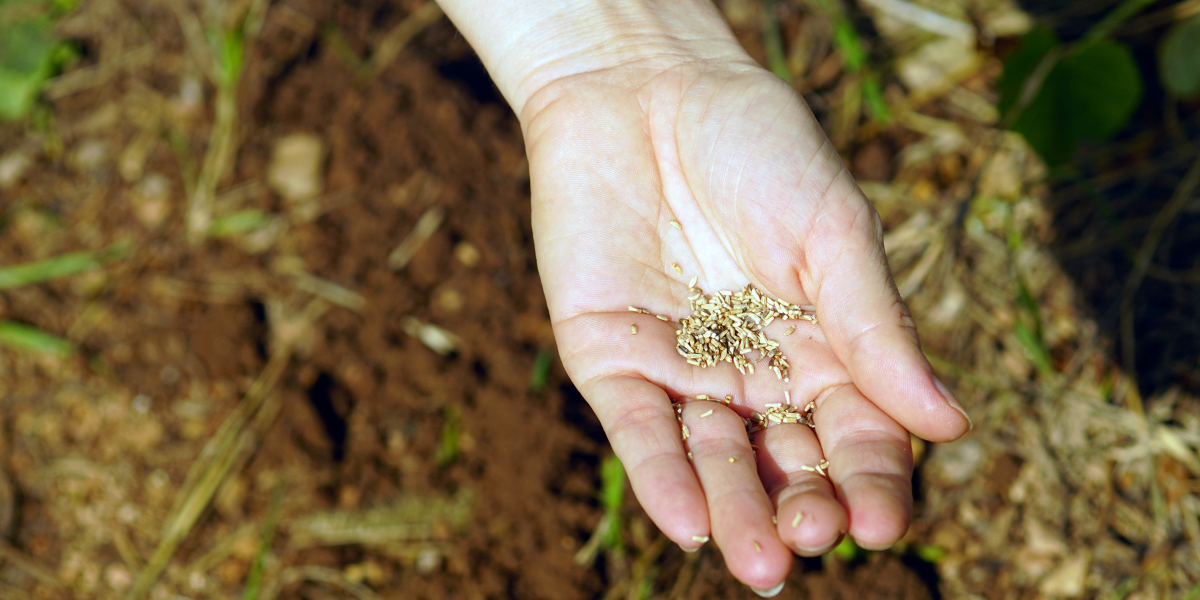

The standard seed rack in a garden centre does its job. It gives you reliable, well-tested varieties that perform consistently and are easy to find. There's nothing wrong with growing Gardener's Delight tomatoes or Defender runner beans, they're popular for good reason.
But once you've had a few seasons under your belt, it's worth looking beyond the rack. The world of heirloom seeds, open-pollinated varieties that have been selected, saved, and passed down for generations, is extraordinary. The flavours, the stories, the sheer variety of shapes and colours: it's a different kind of growing.
What makes a seed "heirloom"?
An heirloom variety is simply one that has been grown and saved over many generations, usually defined as at least fifty years old, and often far older. Unlike F1 hybrid varieties, which are crosses between two parent lines and don't breed true from saved seed, heirlooms come true. That means you can save seed from the best plants in your garden and grow the same variety the following year.
This also means heirlooms have often been adapted, slowly and unconsciously, to the conditions they were grown in. A tomato variety grown in the same valley for two centuries has been selected by the people saving seed from it: the plants that did best in that climate, that soil, those conditions. That local adaptation can make a surprising difference.
Tomatoes worth seeking out
Brandywine (Pink). One of the most famous heirloom tomatoes in the world. Large, slightly irregular in shape, with an extraordinarily complex flavour that makes commercial tomatoes taste hollow by comparison. Needs a long season and some warmth, best in a greenhouse in the UK.
Black Krim. A Russian variety with deep burgundy-green shoulders and a rich, almost smoky flavour. Beautiful in a salad and genuinely interesting to look at.
Green Zebra. Stays green when ripe, you tell by the slight give when pressed, with a tangy, citrusy flavour quite unlike most tomatoes. Great for people who think they don't really like tomatoes.
Beans, squash, and beyond
Borlotti beans. The extraordinary mottled pods, cream splashed with deep red, are worth growing just to look at. Shell fresh from the pod in late summer for one of the finest flavours in the garden, or dry for winter use.
Delicata squash. An American heirloom with cream and green striped skin and a sweet, nutty flesh. Much easier to peel than butternut, and the plants are more compact than most squash. A genuinely good eating variety that deserves to be more widely grown.
Pea 'Alderman'. An old Victorian variety reaching up to 1.5 metres. The pods are large and the peas are sweet and flavourful in a way that modern dwarf varieties rarely match. Needs substantial support but the harvest is generous.
Where to find heirloom seeds
Heritage seed suppliers like the Heritage Seed Library (run by Garden Organic), Real Seeds, and Seeds of Italy carry a range of varieties you won't find in mainstream catalogues. Seed swaps, organised through local horticultural societies and online communities including Garden Living, are another excellent source. Many members grow and save rare varieties and are generous with sharing.
Heirloom growing connects you to something older and broader than a single season's garden. Every packet of seeds carries a story. Growing them, and saving seed to pass on, means you're part of that story too.